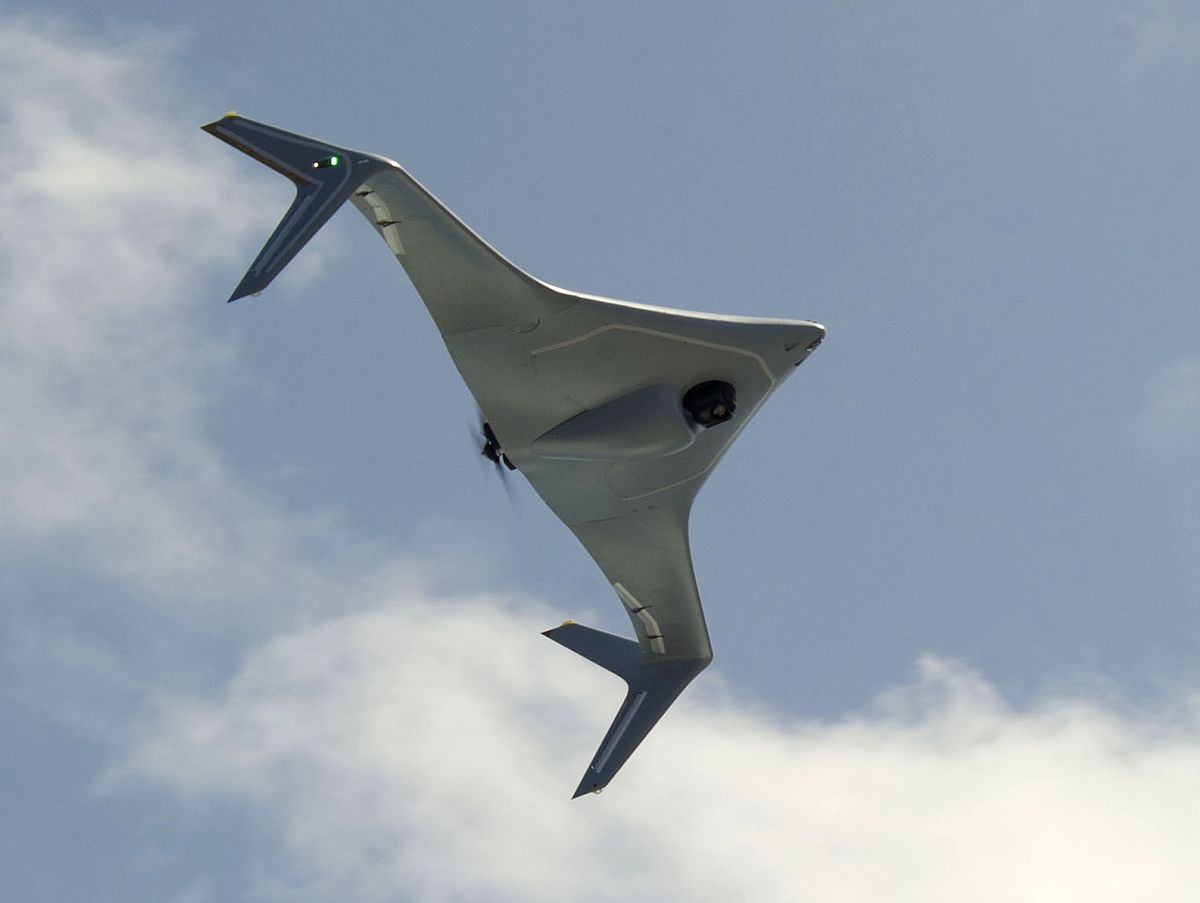
According to data from GlobalData, the global military uncrewed aerial systems (UAS) market, which forms a significant part of the UAV industry, is projected to experience a compound annual growth rate of 4.8% over the next decade.
An Unmanned Aircraft System (UAS) refers to the complete set of equipment necessary for the operation of an unmanned aircraft. This includes the UAV (Unmanned Aerial Vehicle), the ground-based controller, and the system of communications linking the two.
Summary: Unmanned aerial systems (UAS) combine drones, control stations and communication links to execute missions without onboard pilots. Used in fields from military intelligence to agriculture, UAS tech powers operations that are too risky or complex for humans alone.
A UAS is defined as a system that includes the “necessary equipment, network, and personnel to control an unmanned aircraft.” These definitions have not remained static over time, nor are they entirely consistent with those used by other federal agencies.
To counter these evolving threats, federal agencies have embraced Counter-Unmanned Aircraft Systems (C-UAS) technology. Equipped with advanced sensors and other high-tech equipment, C-UAS provides real-time situational awareness, enabling authorities to detect, track, and neutralize drone threats making America safer and stronger.
UAS communication relies on three primary methods: satellite, radio signals, and Internet-based connections. The communication framework for UASs involves several critical subcomponents, including communication protocols, network types, and the UAV model itself.
Today’s unmanned aircraft systems (UAS), more commonly referred to as “drones,” have evolved considerably in just the last few years and are becoming more common in our airspace.