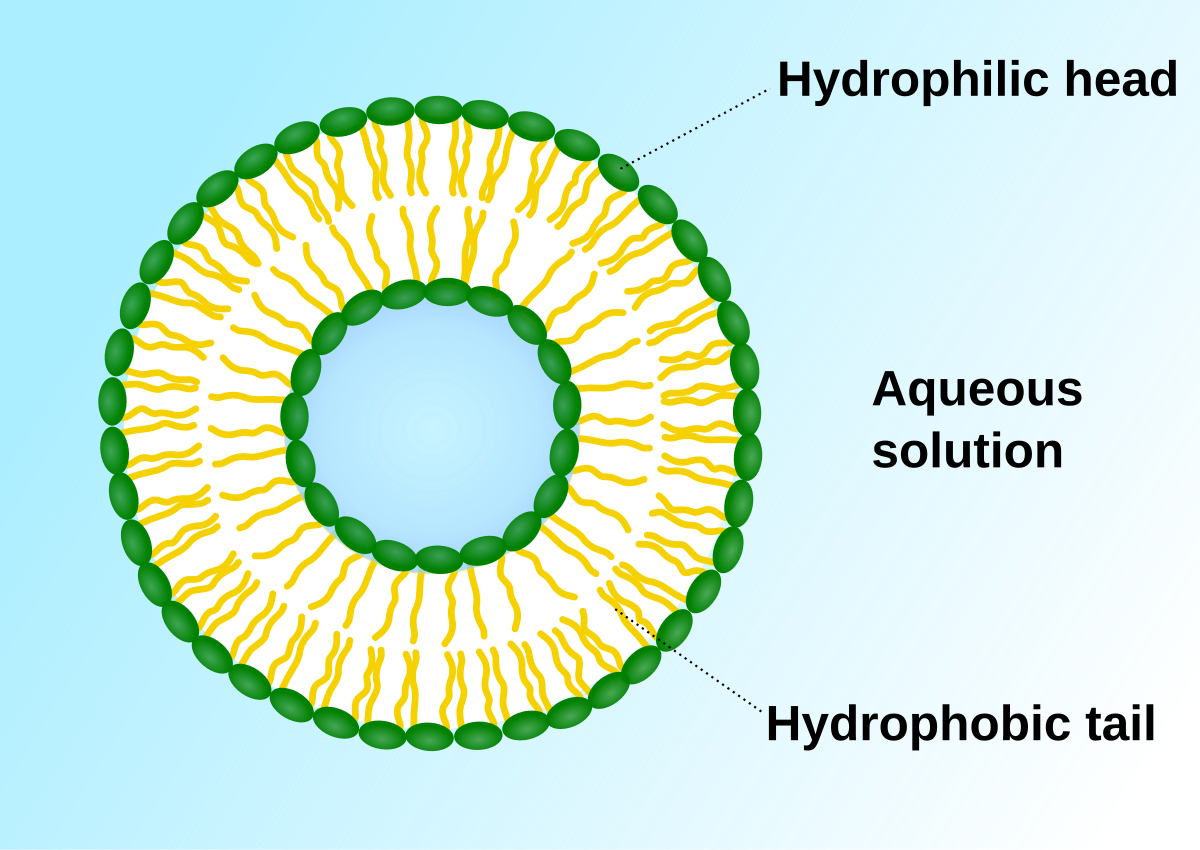
 Vesicles form naturally during the processes of secretion (exocytosis), uptake (endocytosis), and the transport of materials within the plasma membrane. Alternatively, they may be prepared artificially, in which case they are called liposomes (not to be confused with lysosomes).
 Find out how vesicles function in the body and what the five main types of vesicle are. We also discuss how vesicles interact with other cells and pathogens.
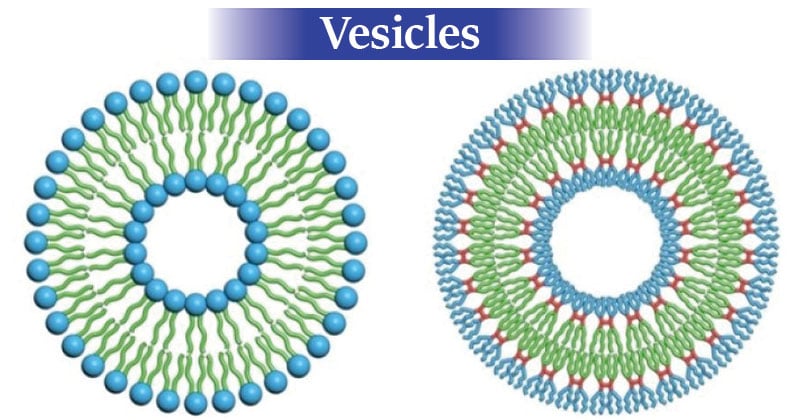 Since vesicles are composed of a lipid bilayer, they can have a completely self-contained environment that is different from the inside of the cell. Thus, vesicles also function in metabolism and enzyme storage.
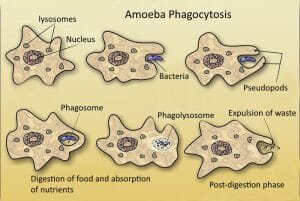 Vesicles are compartments formed by a lipid bilayer separating its contents from the cytoplasm or a fluid-based extracellular environment. They can contain either liquids or gases and have a wide range of functions in cells across the living world from regulating buoyancy to secreting hormones.
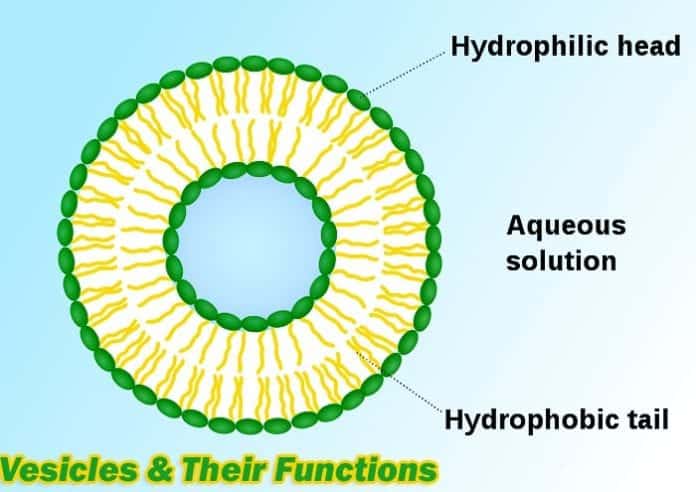 Anatomically, a cell comprises various organelles that function in an organized manner to carry out metabolic processes. Among these organelles, a vesicle is a tiny intra or extracellular fluid structure in a cell. Explore vesicle functions and types of vesicles in detail here.