A quality management system (QMS) is a structured framework that defines and documents an organization’s processes, procedures, and responsibilities for achieving quality policies, practices, and objectives.
A quality management system (QMS) is a collection of business processes focused on consistently meeting customer requirements and enhancing their satisfaction. It is aligned with an organization's purpose and strategic direction (ISO 9001:2015). [1]
A Quality Management System (QMS) is a structured framework that documents processes, procedures, and responsibilities to ensure products or services meet regulatory and customer requirements.
What is a quality management system (QMS)? In the most simple terms, a quality management system is a clearly defined set of processes and responsibilities that makes your business run how it’s supposed to.
A quality management system (QMS) is a structured framework that organizations use to maintain and improve the quality of products and services. It integrates various business processes to ensure that customer requirements are consistently met while promoting efficiency and process improvement.
A Quality Management System (QMS) is a structured framework of processes, procedures, and responsibilities designed to ensure consistent quality in an organization’s products or services.
ISO 9001 provides the best practices for a Quality Management System, including data management needs, and focuses on product quality and service quality to meet customer needs.
In essence, a QMS consists of a process, policy, and procedure that have been carefully crafted to ensure that products and services continually meet high standards of quality.
A QMS encompasses a framework of policies, processes, and procedures that guide organizations in delivering consistent, high-quality products while maintaining compliance with applicable regulations, such as ISO 13485 or FDA 21 CFR Part 11.
A Quality Management System (QMS) is a strategic framework designed to enhance performance, ensure compliance, and drive continuous improvement across operations.
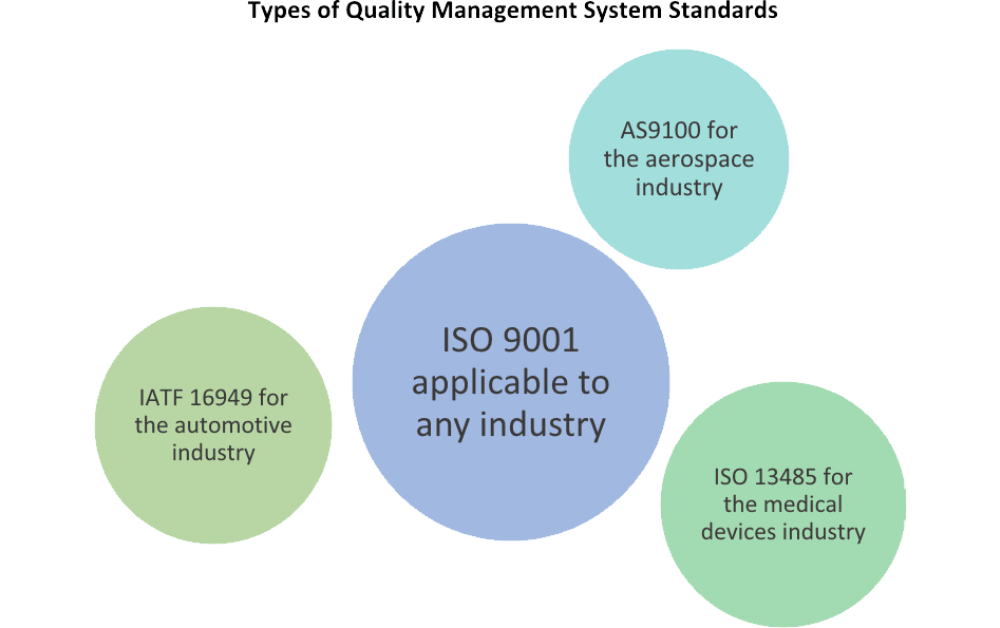 ISO 9001 provides the best practices for a Quality Management System, including data management needs, and focuses on product quality and service quality to meet customer needs.